The Flask Journal / Myths & evidence
When whiskey wore a medicine label
During Prohibition, a prescription could change a bottle’s legal route to the customer. That is a history story, not a health endorsement.
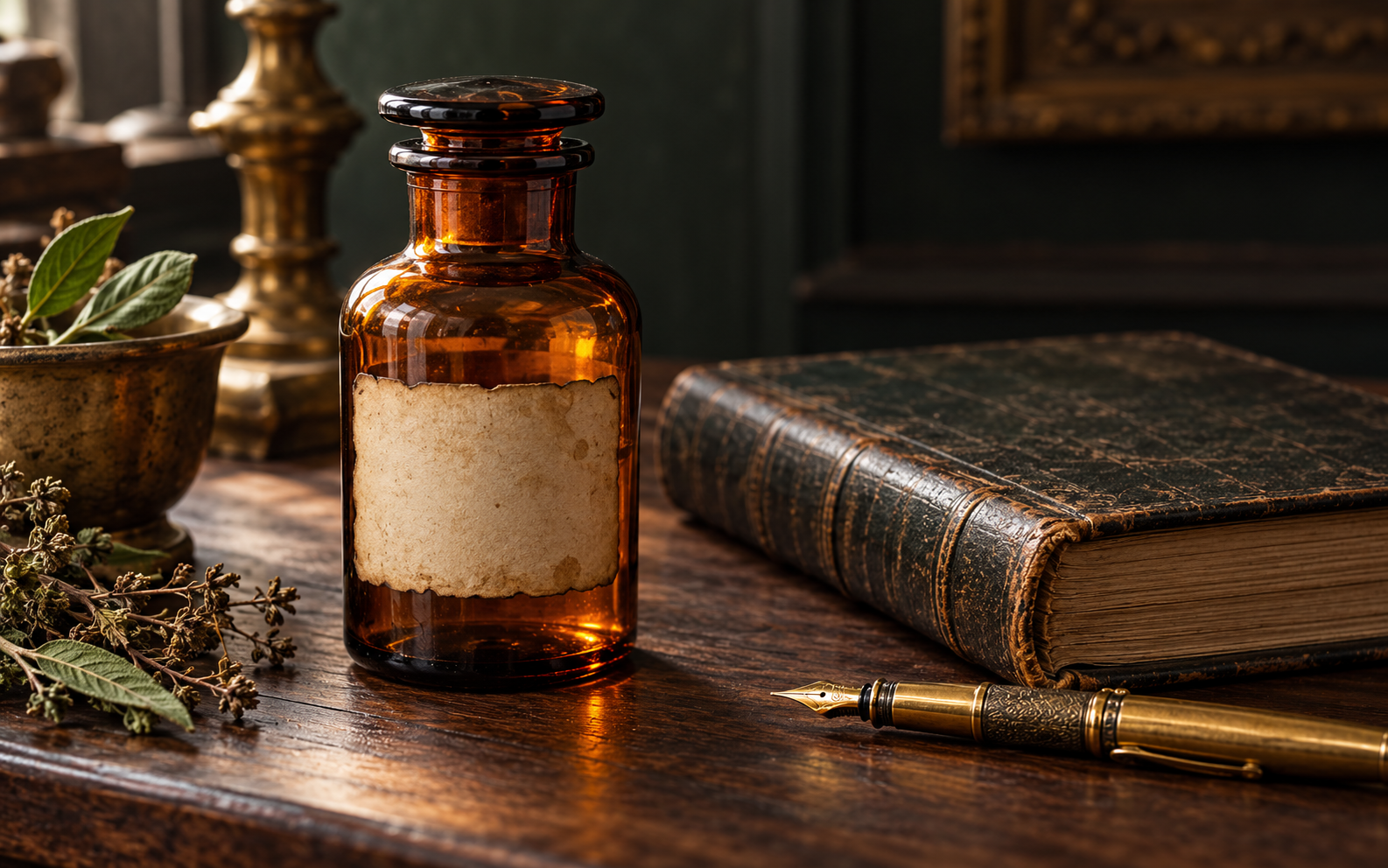
An old prescription for whiskey is an excellent conversation starter. It has all the visual authority of medicine—official wording, a date, a signature—and a subject we now expect to find on a bar menu. It looks like two drawers in the same filing cabinet have been accidentally combined.
The combination was real. The Smithsonian preserves prescription forms issued under the National Prohibition Act, while its history of the period includes medicinal alcohol among the complications in a supposedly dry nation. These documents show that alcohol could move through an authorized medical channel during Prohibition. 1, 2
That is a better story than a wink about everyone suddenly needing a doctor. The form captures a boundary being drawn: between an ordinary beverage transaction and a legally permitted prescription. The bottle's contents might look familiar, but the paperwork changed the transaction around it. A small piece of paper could tell you a great deal about the system.
The prescription proves a practice
What it cannot establish, by itself, is that a treatment worked. A museum object answers historical questions: what people prescribed, what institutions permitted, what a transaction looked like. A medical claim needs evidence about outcomes. Those are different questions, even when they concern the same bottle.
Family remedies deserve the same distinction. A remembered drink may be tied to a caring grandparent, a winter kitchen, or the pleasure of someone making something for you. Keeping that memory does not require turning the recipe into treatment advice. “This is what our family did” is already a worthwhile story.
The present-day complication is that alcohol can interact with prescription medicines and products sold over the counter. NIAAA notes that some cough, cold, and allergy products contain multiple ingredients that can interact with it. A pharmacist can help check a specific medicine; a nostalgic recipe cannot. 3
Cocktail names sometimes keep the old medical atmosphere alive. A Penicillin sounds as though it should arrive in a paper pharmacy bag, but the published drink recipe is a Scotch cocktail with honey, ginger, and lemon. 4 Its name is part of the theater. It does not make the drink an antibiotic, and this journal does not recommend it for an illness.
That leaves plenty to enjoy: the typography, the bureaucracy, the strange career of a familiar bottle. The most interesting thing about medicinal whiskey is not that it offers a forgotten cure. It is that a prescription lets us glimpse a world deciding which uses of alcohol were acceptable—and who had the authority to say so.
Bar-stool FYI. An old prescription is evidence that something was prescribed. It is not, on its own, evidence that it was effective.
From the story to the shaker
The cocktail detour
Published recipes from other bartenders and producers. These are editorial picks, not a ranked popularity list or historical remedies.
- Penicillin ↗Scotch, ginger, honey, and lemon. A cocktail name, not a treatment.
- Old Fashioned ↗The familiar starting point: whiskey, sugar, bitters, and water.